


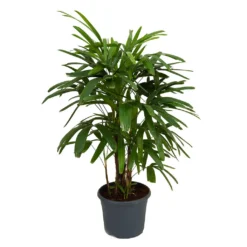
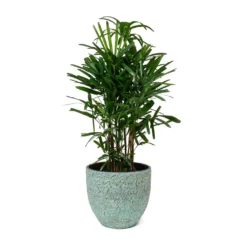
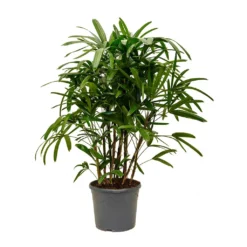
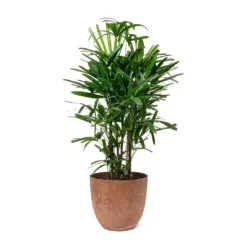
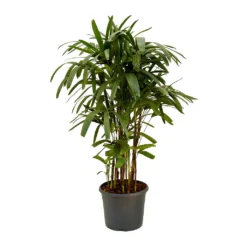
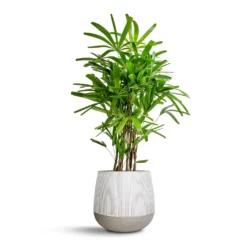
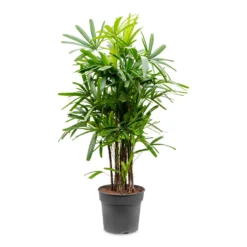

Rhapis Excelsa – Lady Palm
Original price was: £59.99.£41.99Current price is: £41.99.
- Quick responses, top-notch service.
- Made of environmentally friendly materials
- Shop with Ease
- 7 days free returns

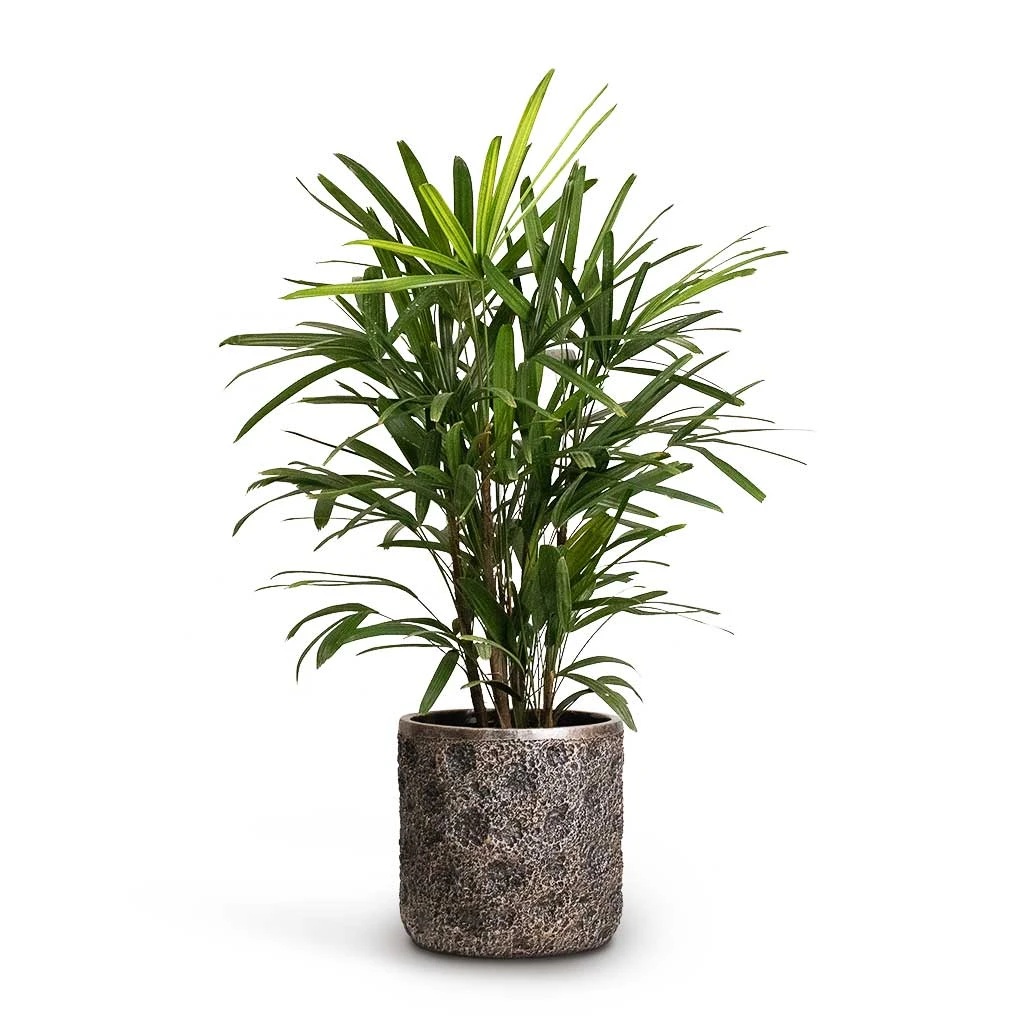
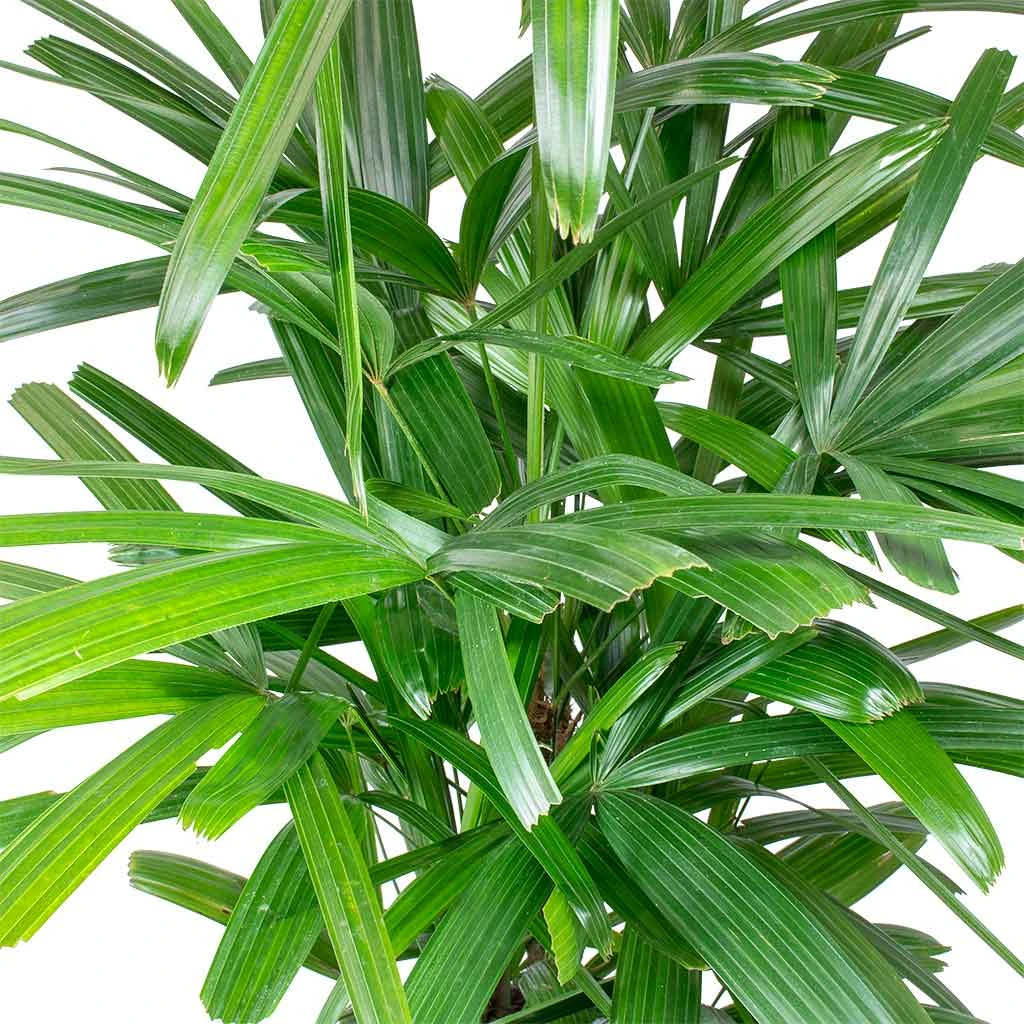
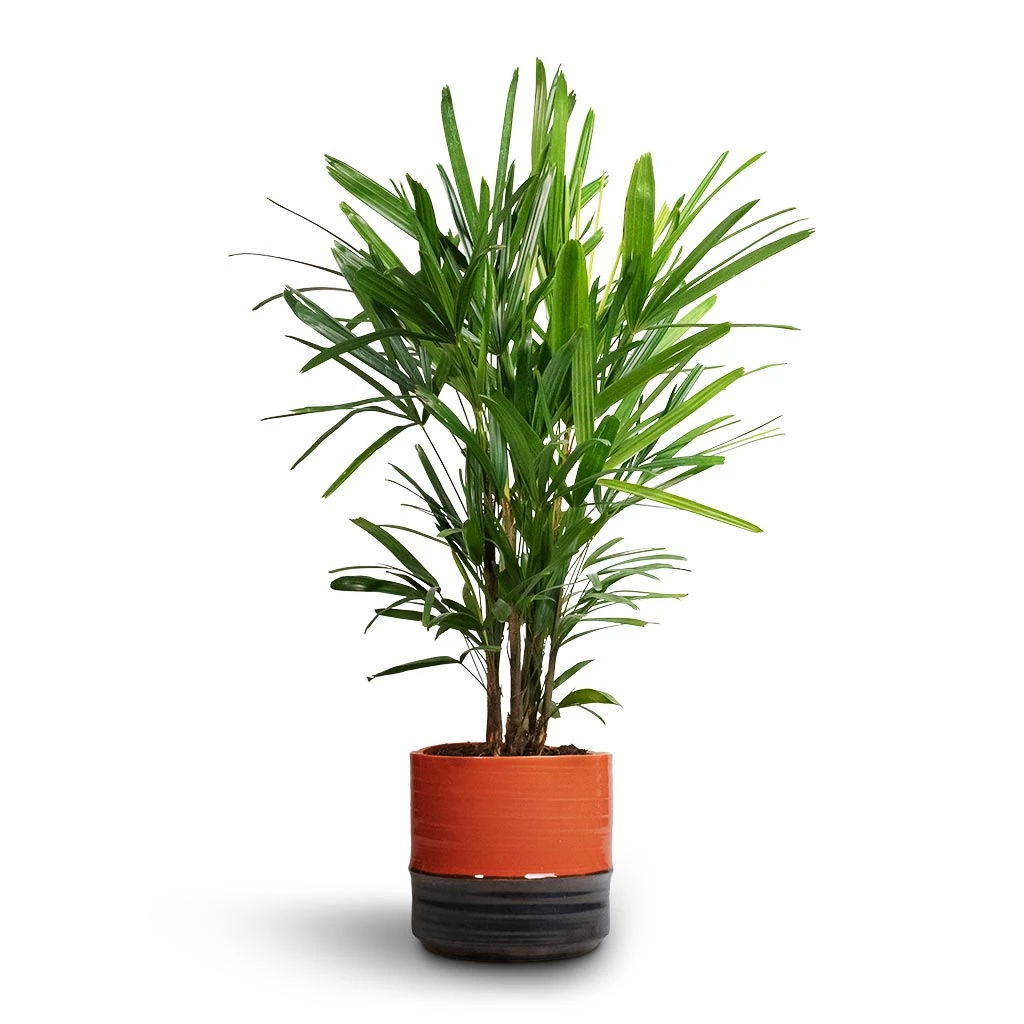
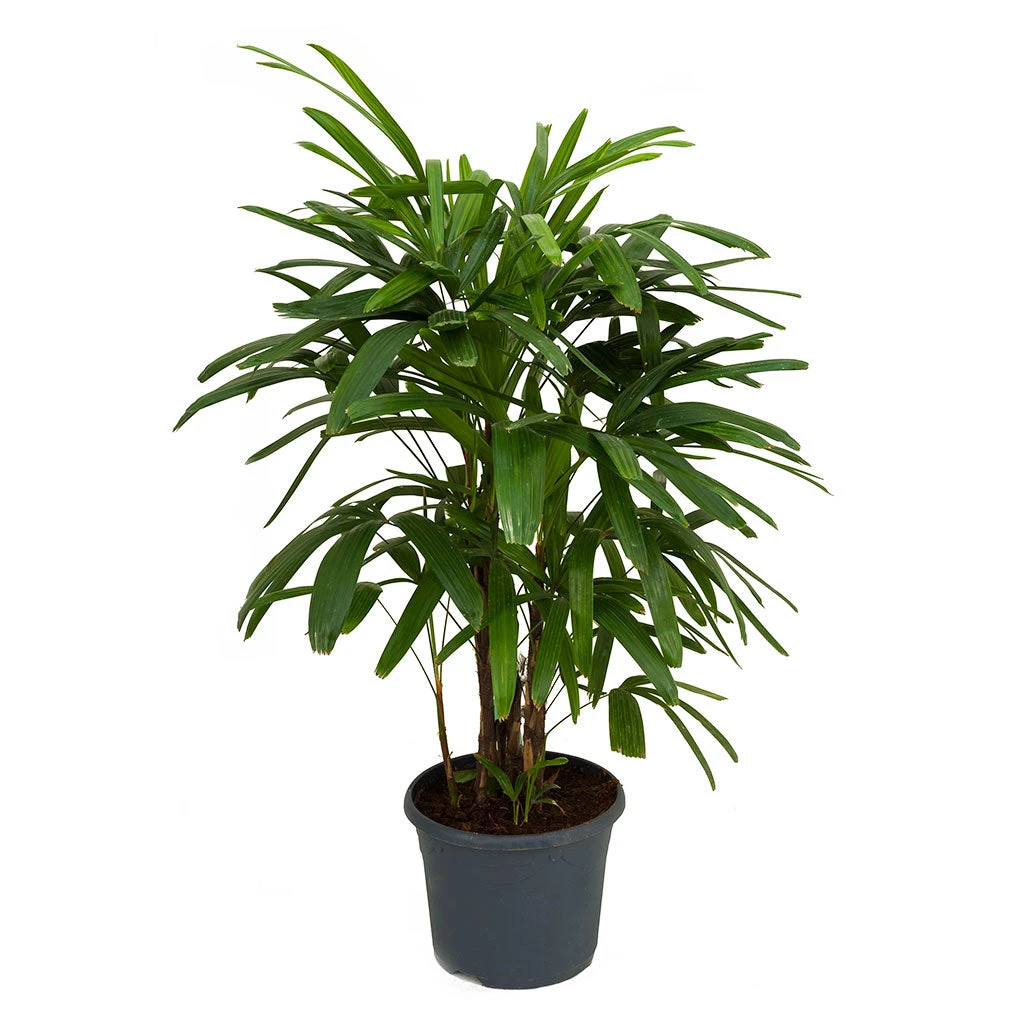
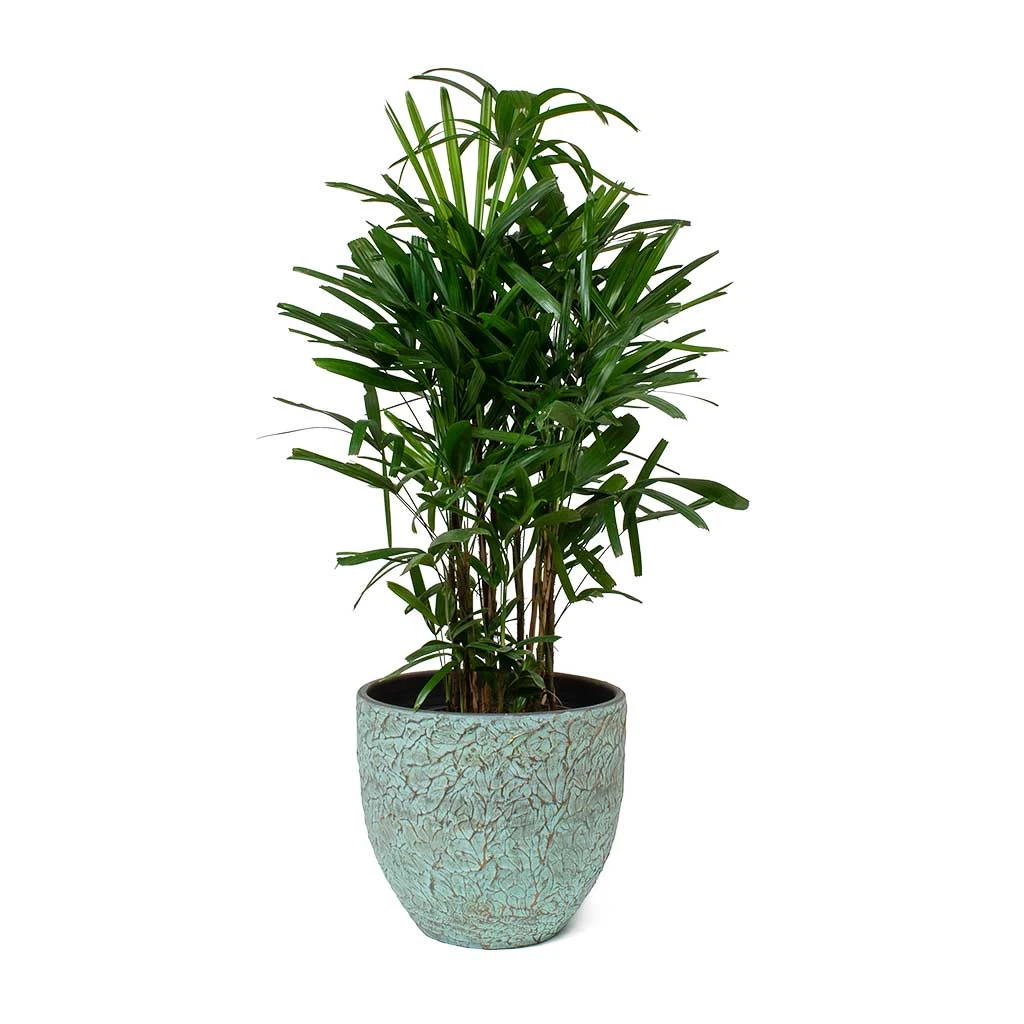
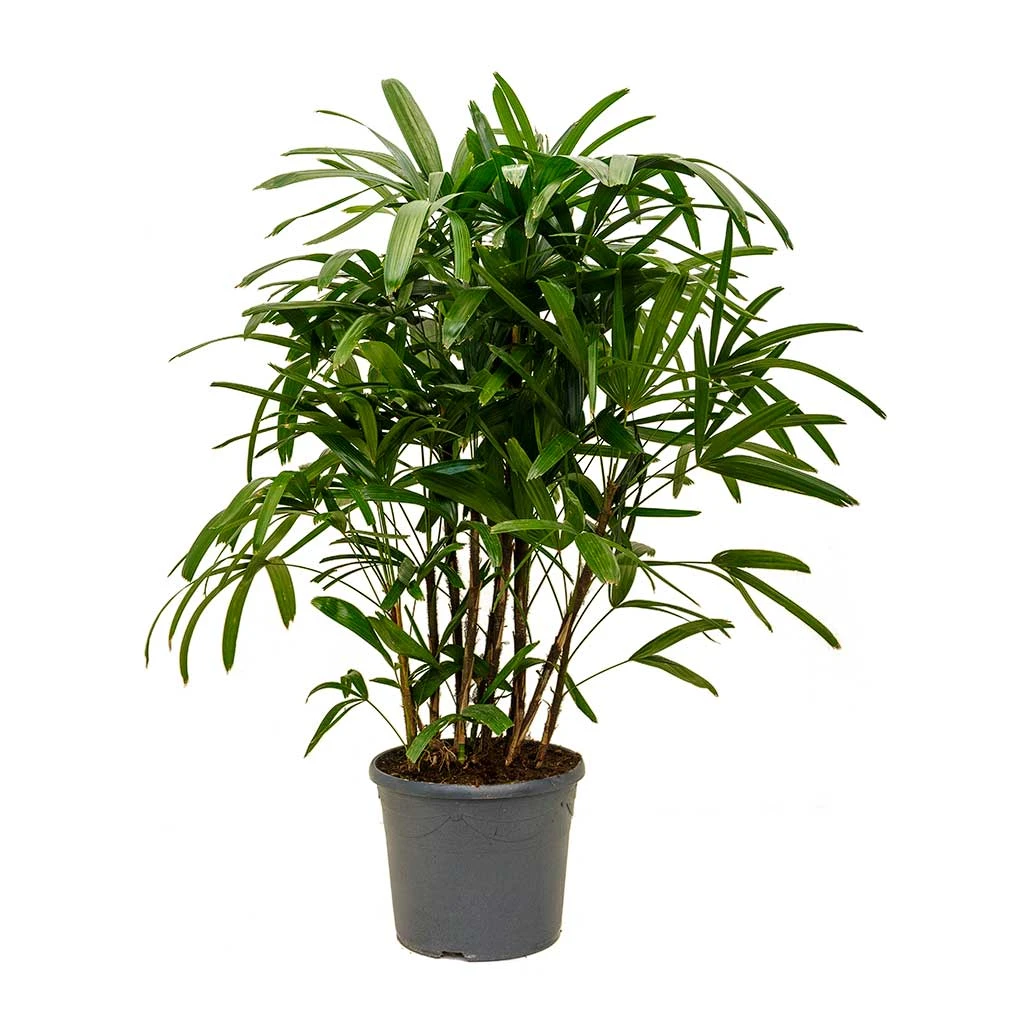
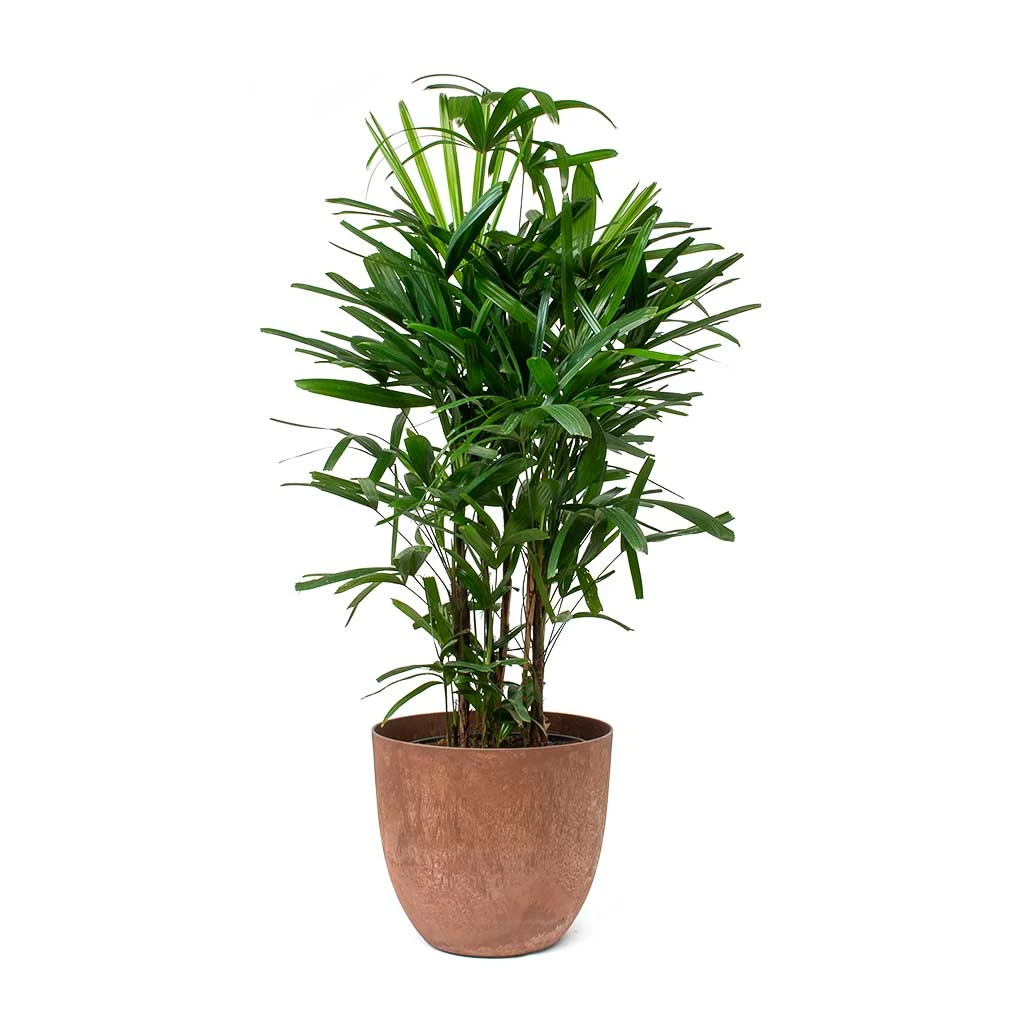
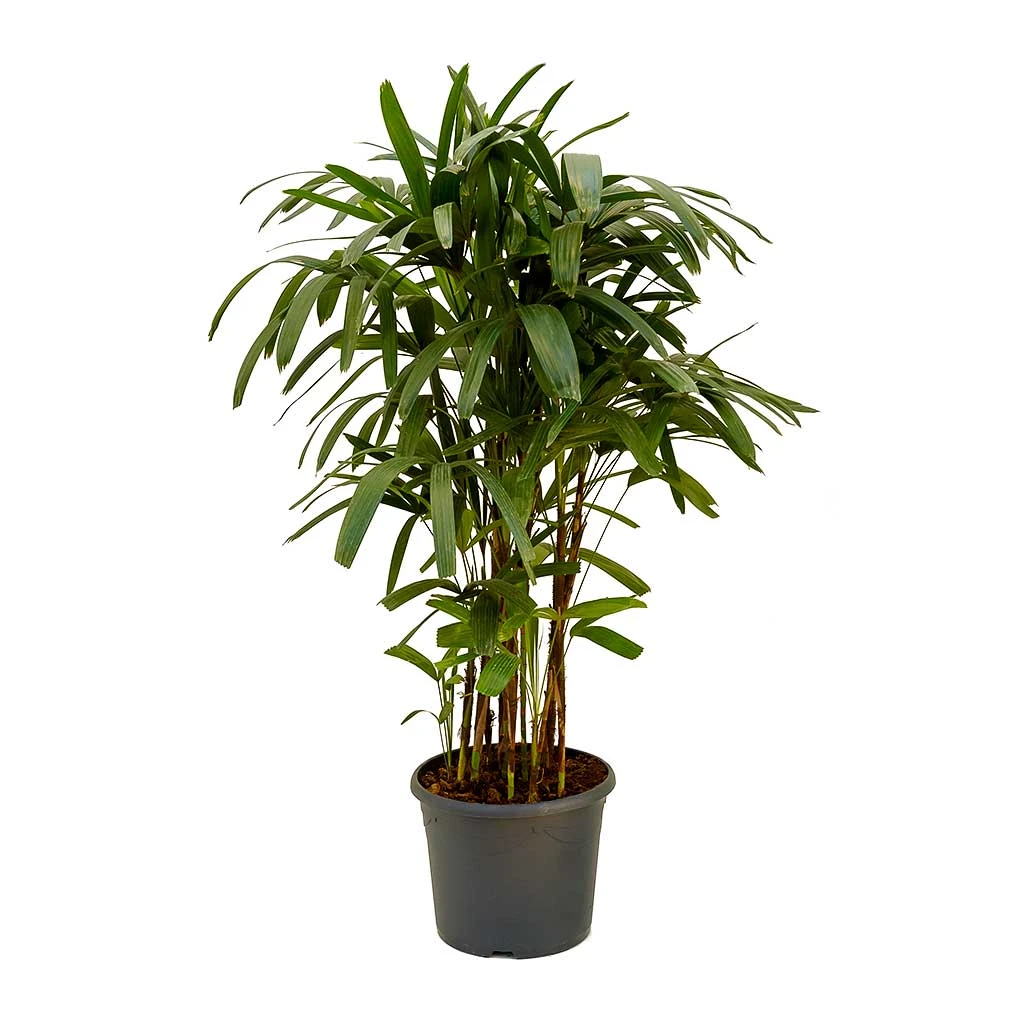
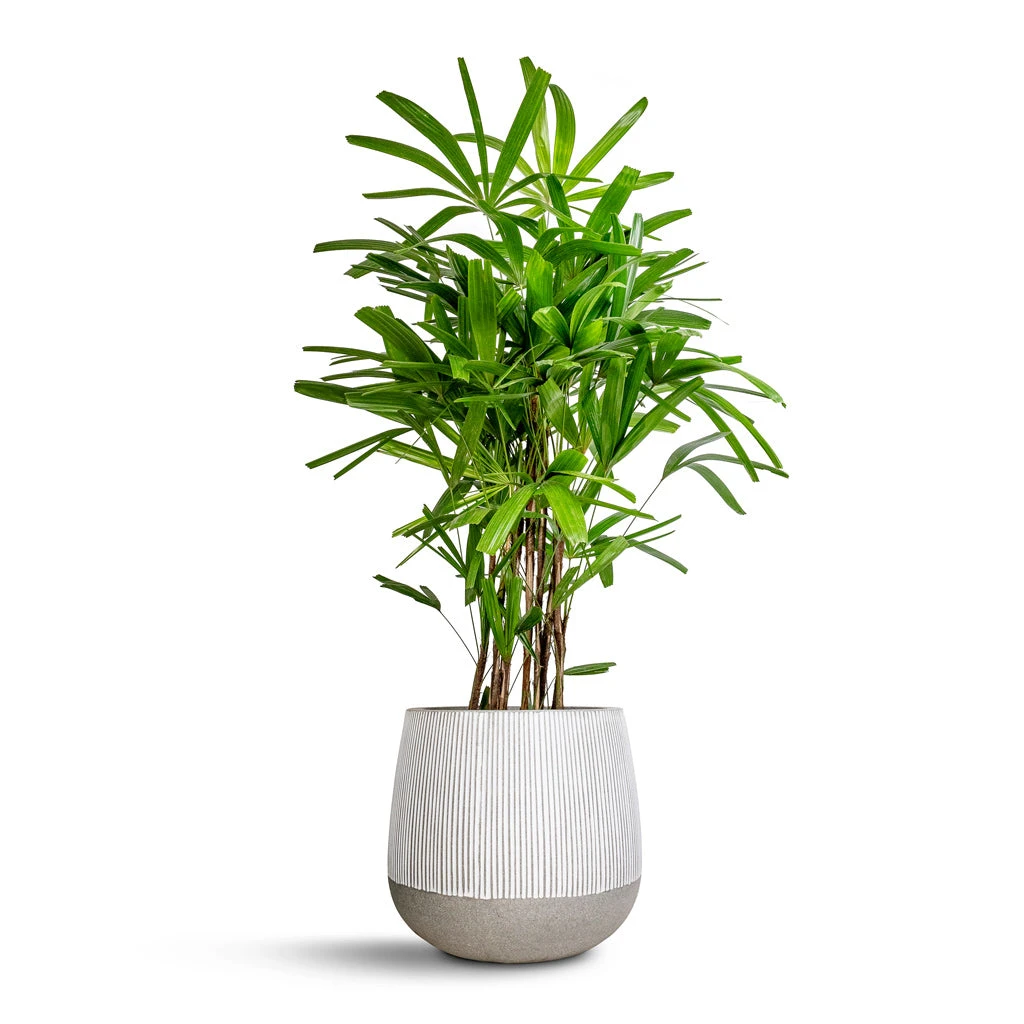
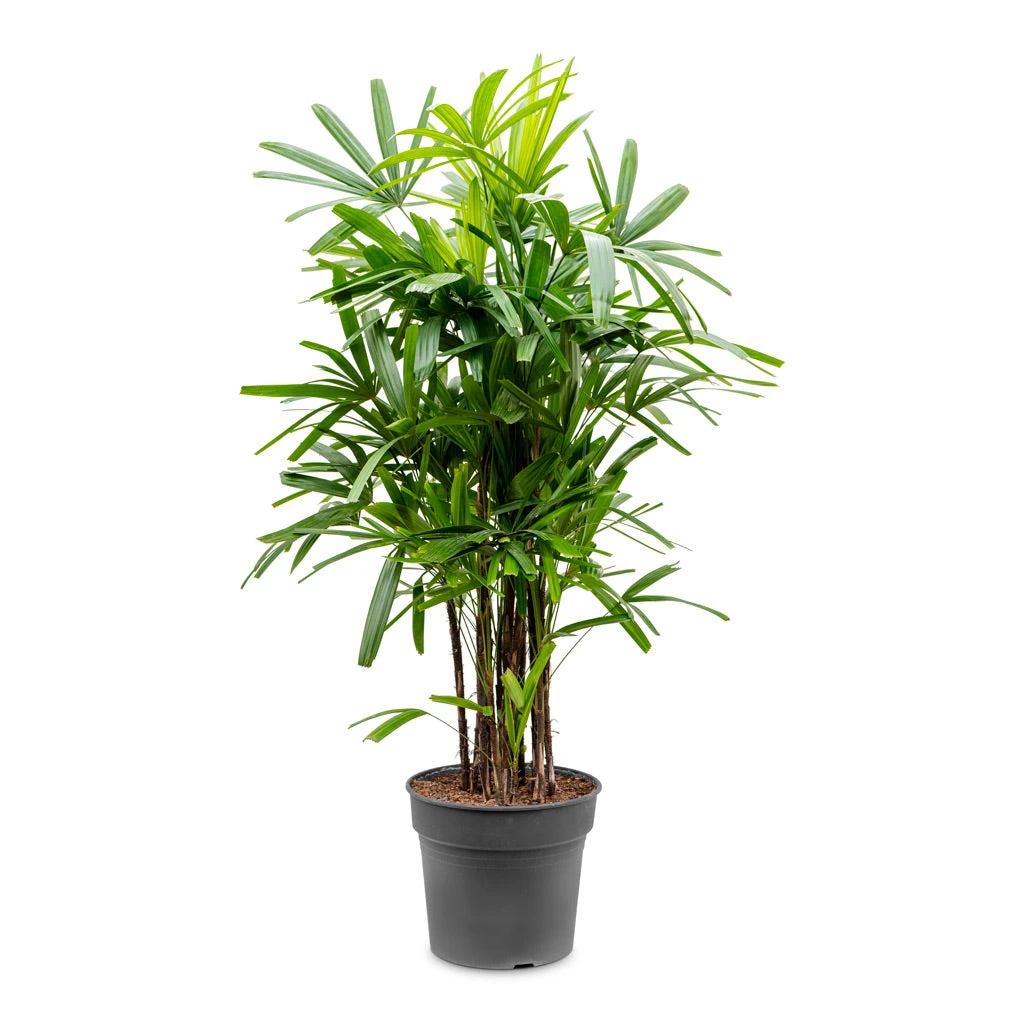
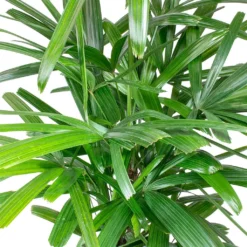
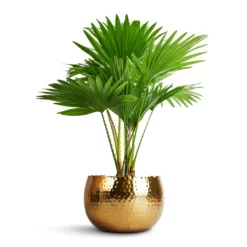
A delightful fan palm, with large, thick leaves, that are wider than many other palms and blunt tipped. Rhapis excelsa bears rhizome offshoots, leading to clusters of upright stems, perfect for a flourish of lush interior greenery. Thick fibres envelop new stems, these fall away in time to reveal bamboo-like trunks, and give the palm its other common name: Bamboo Palm.
Rhapis excelsa is a versatile slow growing palm that adapts extremely well to being grown indoors in a container. It is not fussy about light or humidity, being one of the more shade tolerant palms. What’s more, Rhapis excelsa is number two on the list of top houseplants for removing unwanted pollutants from the surrounding air according to Dr Wolverton/NASA study (with the Areca Palm being number 1). All in all, the perfect, well-behaved indoor palm!
Rhapis excelsa – Lady Palm Care & Info Guide
Horty Hints
Shade bathing! Thrives in lower light conditions. If the leaves start to lighten and turn yellowish, try moving the palm to a more shaded location.
Rhapis excelsa leaves often have brown tips, which can be trimmed if required, however avoid cutting into the green flesh of the leaf.
Balancing act! The majority of the Lady Palm’s roots are found at the very bottom of the pot, so in order to avoid root rot, and ensure the plant doesn’t dry-out – make sure to water when the soil on top begins to dry.

Light
The Lady Palm thrives in most light conditions, except direct sunlight. The plant is also shade tolerant, making it ideal for homes and offices.

Watering
Requires moist (but not wet) soil with adequate drainage. Most of the root system is toward the bottom of the pot, therefore allow the top few inches of the soil to dry out before watering.

Temperature
An easy-to-grow and hardy plant, the Rhapis excelsa is perfectly happy in environments with temperatures from -5°C to 37°C.

Humidity
This palm does well in normal household humidity. Higher humidity levels may be beneficial.

Feed
Feed only once or twice a year during the growing season. Do not over-feed.

Height & Growth Rate
The Lady Palm is a slow-growing plant which typically reaches an ultimate height between 3 and 4 metres tall.

Toxicity
The Rhapis excelsa is considered non-toxic to humans, cats and dogs. Safe around children and pets.

Air Purifying
The Lady Palm is a top houseplant for purifying and filtering toxins such as benzene and formaldehyde in the local atmosphere.

Origin
While the Rhapis genus is native to South East Asia, the excelsa species comes from cultivated groups in the same region.
| SIZE: Pot Diameter x Total Height | 17 x 60cm, 21 x 90cm, 27 x 110cm, 30 x 120cm, 30 x 140cm, 34 x 160cm |
|---|
Be the first to review “Rhapis Excelsa – Lady Palm”
Related products
HOUSEPLANT STYLES
HOUSEPLANT STYLES
HOUSEPLANT STYLES
HOUSEPLANT STYLES
HOUSEPLANT STYLES
HOUSEPLANT STYLES
HOUSEPLANT STYLES

HOUSEPLANT STYLES
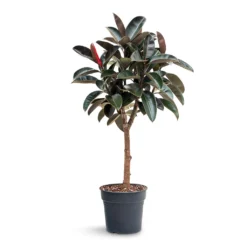
Ficus Elastica Abidjan – Burgundy Rubber Plant – Straight Stem
Reviews
There are no reviews yet.